
Plant Height
2-8 ftVariety-specific habit
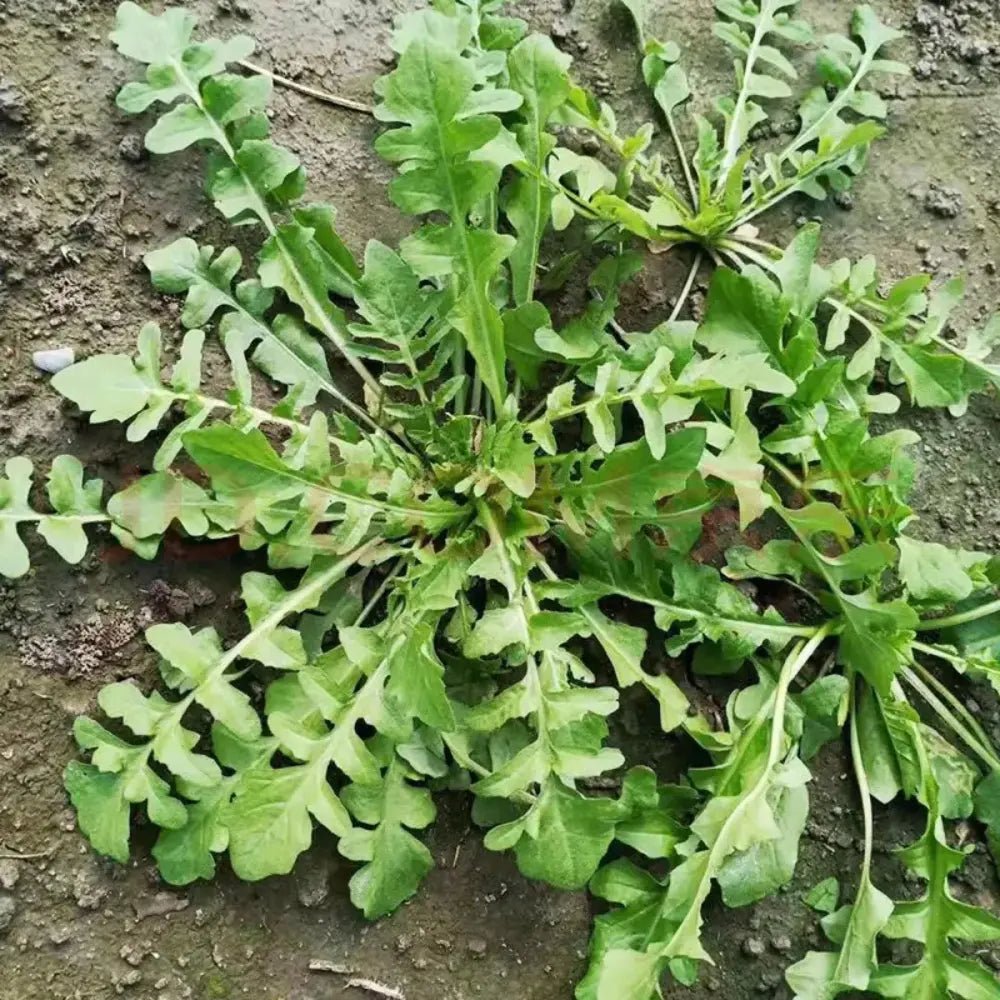


vegetable
Shepherd’s Purse Seeds (Large Leaf)
$7.49
Seeds for your next garden project, with planting guidance to help you get started.
In stock — ships within 1 business day
Standard shipping to the USA: 4–6 business days.
Germination SupportPractical guidance when you need it
USA Garden FriendlySeeds selected for USA gardens
Secure CheckoutProtected payment experience
Growing at a Glance
Plan your vegetable patch with the sowing season, spacing and growing conditions for this crop.
Light Requirement
Full Sun
Planting Season
Early SpringFollow local frost dates
USDA Zone
Zone 2~12Selected for USA gardens
Germination
5-14 DaysKeep evenly moist
Days to Maturity
60-120 DaysVariety dependent
Plant Spacing
8-18 inAllow healthy airflow
Growing Difficulty
EasyGrowing support available
Harvest Profile
Know how this crop grows and when to pick it for your kitchen.
Crop Type
OtherThe vegetable group this variety belongs to
Growth Habit
UprightVariety-specific plant structure
Harvest Window
60-120 DaysTypical harvest timing
Harvest Stage
Full Size, Dry/Mature SeedBest stage for picking
Shipping & Returns
Simple delivery. Clear support.
Shipping
Most orders ship within 24 hours of payment confirmation, excluding weekends and U.S. federal holidays. Standard transit takes 4–6 business days.
Returns & order issues
Customers may return seed products within 30 calendar days of delivery, including unopened, opened or used items. We cover return shipping for quality issues, shipping errors or transit damage.
Seeds are living products. If you have germination questions, our team provides practical growing guidance to help you troubleshoot.
About this seed
Why gardeners choose this variety
Shepherd's purse takes its name from the small, purse-like seed pods that form after flowering. In East Asian food traditions, tender leaves of correctly identified Capsella bursa-pastoris have also been gathered or cultivated as greens. The large-leaf selection emphasizes that edible stage rather than the later pod display.
Grow it in a managed vegetable bed where identity and cleanliness are clear, harvesting tender leaves for appropriate cooked preparations such as fillings or soups. Observe the leaf rosette before flowering changes the plant's structure. The crop can self-sow, so manage seed formation if it is not wanted elsewhere. Its traditional food role is distinct from medicinal claims, and the seeds supplied for cultivation are not themselves a prepared food product.
Key features
What makes it stand out
Perfect for
Best garden uses
Growing tips
A stronger start
You Might Also Like
View more →