
Plant Height
10–18 inVariety-specific habit

flower
Pink Catharanthus Roseus Seeds
$8.09
Seeds for your next garden project, with planting guidance to help you get started.
In stock — ships within 1 business day
Standard shipping to the USA: 4–6 business days.
Germination SupportPractical guidance when you need it
USA Garden FriendlySeeds selected for USA gardens
Secure CheckoutProtected payment experience
Growing at a Glance
Plan your sowing with the light, space and growing conditions this flower needs.
Light Requirement
Full Sun, Partial Sun
Planting Season
Winter, SpringFollow local frost dates
USDA Zone
Zone 2~12Selected for USA gardens
Germination
7–21 DaysKeep evenly moist
Days to Maturity
70–90 DaysVariety dependent
Plant Spacing
8–12 inAllow healthy airflow
Growing Difficulty
ModerateGrowing support available
Flower Performance
Picture this variety in your garden, from its flower colors to when it blooms.
Flower Color
Pink
Bloom Period
Summer, Fall, Until Frost
Life Cycle
Tender PerennialAnnual, biennial or perennial
Garden Use
Beds, Borders, Containers, Ground CoverBest-fit garden settings
Shipping & Returns
Simple delivery. Clear support.
Shipping
Most orders ship within 24 hours of payment confirmation, excluding weekends and U.S. federal holidays. Standard transit takes 4–6 business days.
Returns & order issues
Customers may return seed products within 30 calendar days of delivery, including unopened, opened or used items. We cover return shipping for quality issues, shipping errors or transit damage.
Seeds are living products. If you have germination questions, our team provides practical growing guidance to help you troubleshoot.
About this seed
Why gardeners choose this variety
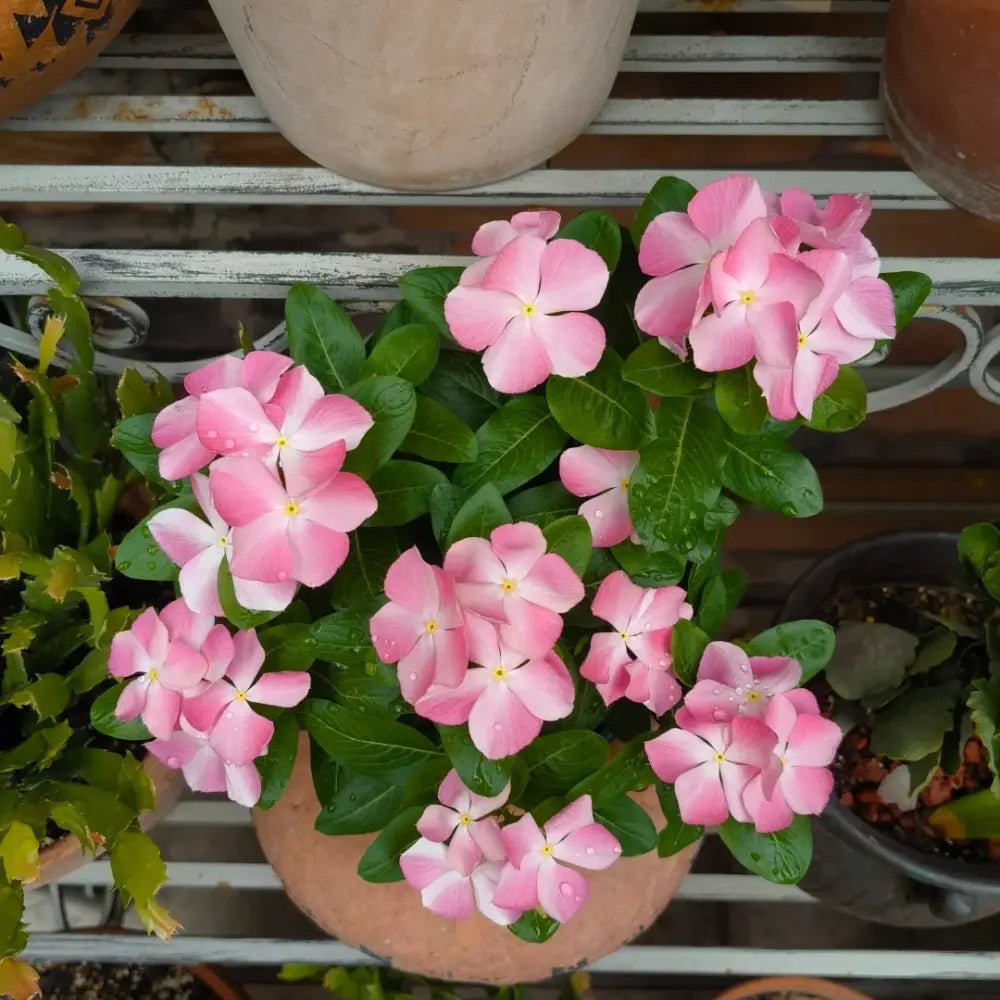
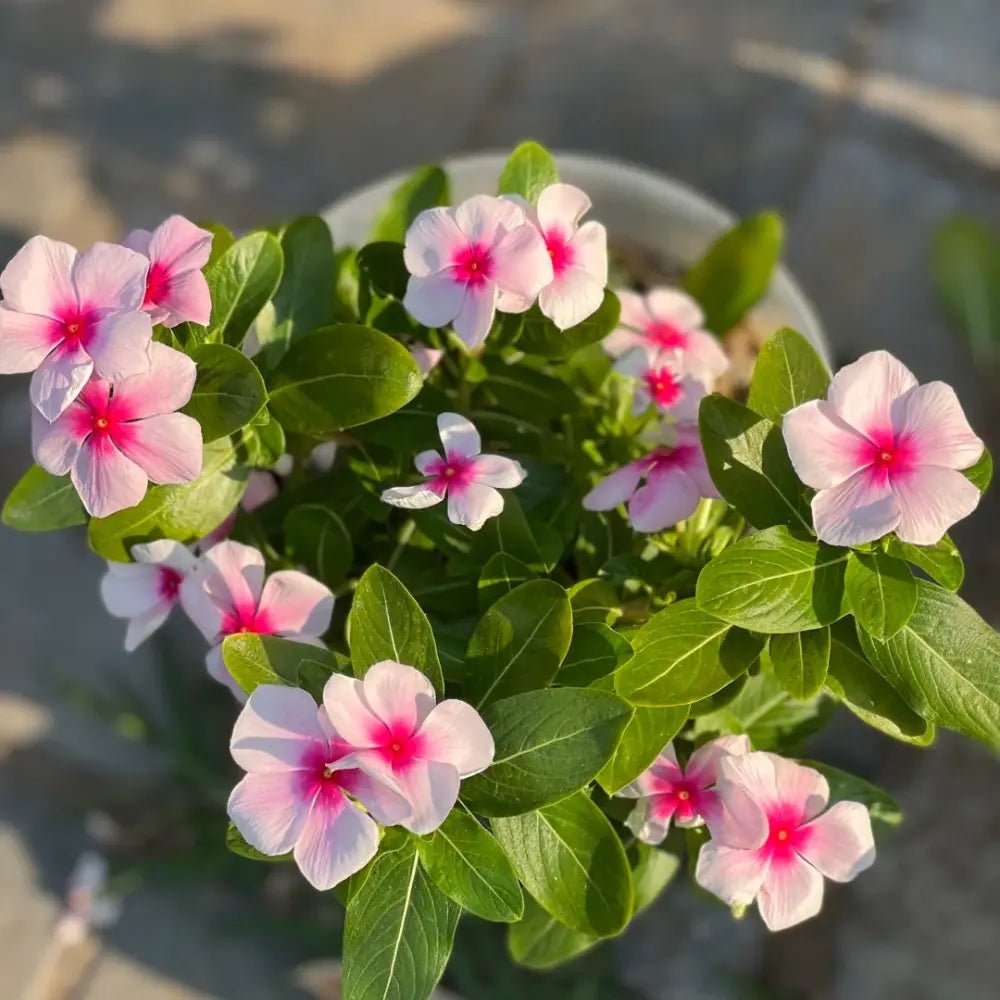
Pink Catharanthus roseus, also widely known as pink periwinkle, is a vibrant tropical annual cherished for nonstop soft pink blooms and exceptional heat resilience. Each simple five-petaled flower carries a gentle blush pink shade with a subtle pale white central eye, creating soft, cohesive pastel color across the plant’s full bloom period. Slender, glossy dark green oval leaves form dense, bushy clumps that frame the delicate pink blossoms beautifully, holding lush foliage appearance even during sweltering summer weather. Unlike many cool-season flowers that wilt in high temperatures, this catharanthus maintains full bloom output without fading or leaf drop under strong sunlight.
This pink periwinkle brings steady pastel color to all sunny residential landscapes. It works flawlessly in mass flower beds, container planters, hanging baskets, and walkway edging, pairing harmoniously with white vinca and blue verbena for balanced multi-toned garden arrangements. Its long-lasting flowering cycle stretches from late spring all the way to the first autumn frost, requiring minimal routine care to stay vibrant. Small pollinators such as wild bees and tiny butterflies regularly visit its nectar centers, turning sunny flower spaces into gentle wildlife-friendly planting zones.
Key features
What makes it stand out
Perfect for
Best garden uses
Growing tips
A stronger start
You Might Also Like
View more →


