
Plant Height
12-36 in.Variety-specific habit
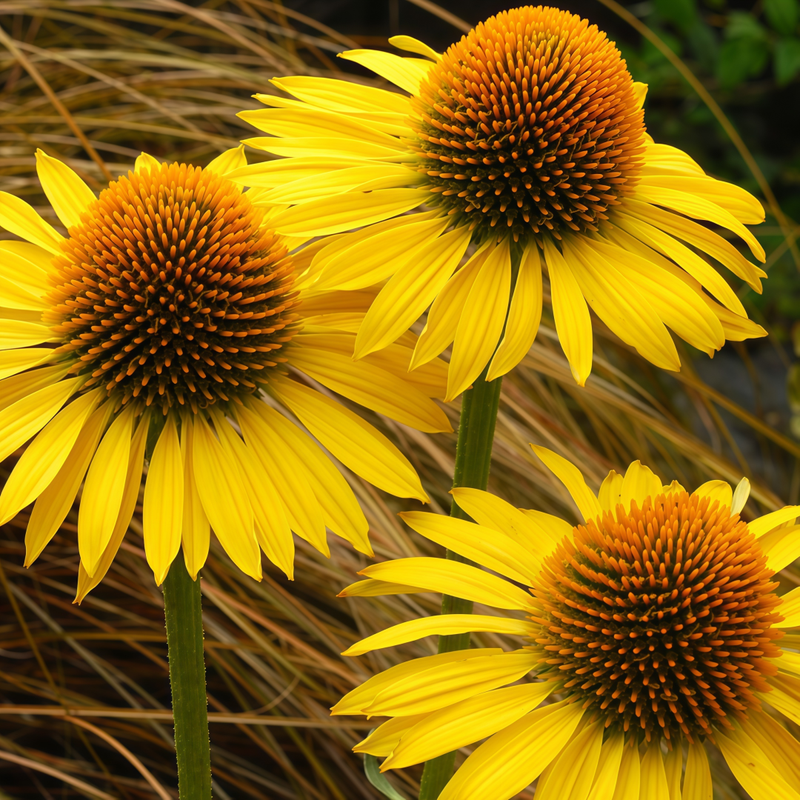
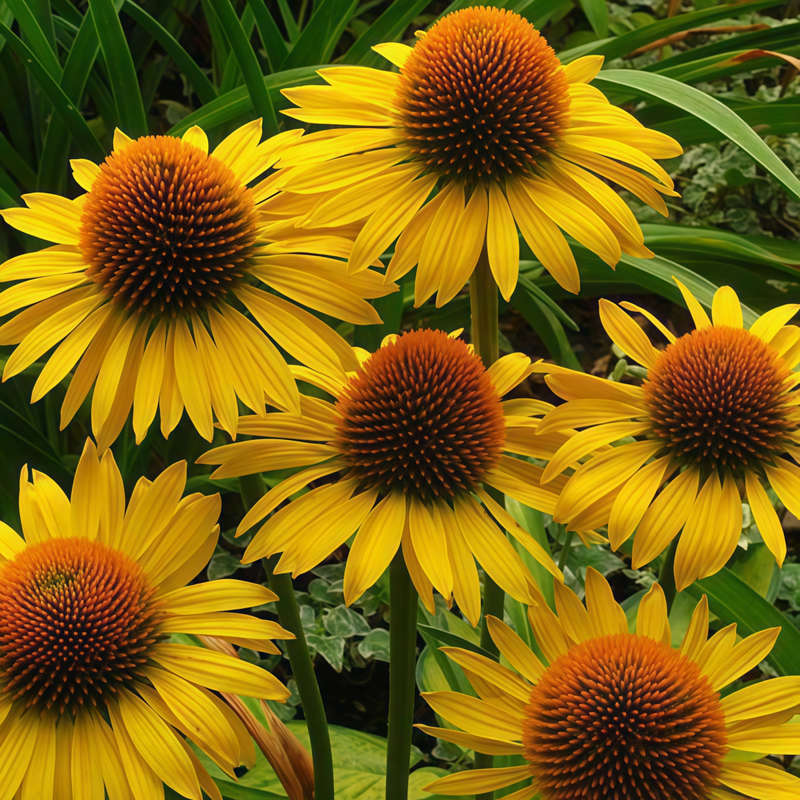
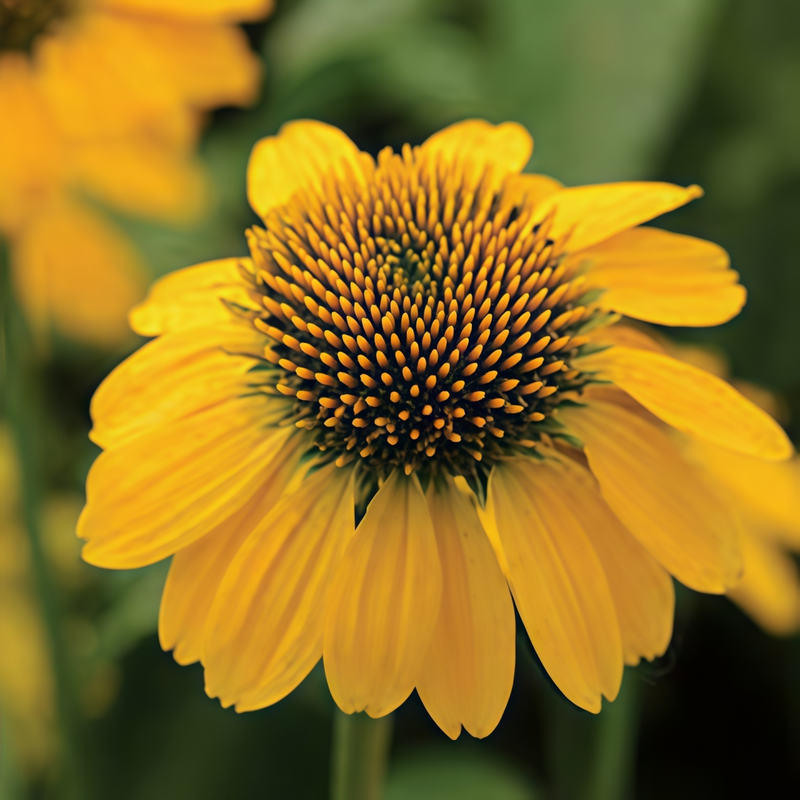

flower_1126
Coneflower Seeds - Yellow-Purple
£4.63
Prominent flower centers and rough leaves for ornamental borders and pollinator gardens.
In stock — ships within 1 business day
Standard shipping to the USA: 4–6 business days.
Germination SupportPractical guidance when you need it
USA Garden FriendlySeeds selected for USA gardens
Secure CheckoutProtected payment experience
Growing at a Glance
Find the right time, place and spacing to give your seeds a strong start.
Light Requirement
Full Sun
Planting Season
Spring, FallFollow local frost dates
USDA Zone
Zone 3~9Selected for USA gardens
Germination
10-21 DaysKeep evenly moist
Days to Maturity
75–90 DaysVariety dependent
Plant Spacing
12–18 inAllow healthy airflow
Growing Difficulty
ModerateGrowing support available
Shipping & Returns
Simple delivery. Clear support.
Shipping
Most orders ship within 24 hours of payment confirmation, excluding weekends and U.S. federal holidays. Standard transit takes 4–6 business days.
Returns & order issues
Customers may return seed products within 30 calendar days of delivery, including unopened, opened or used items. We cover return shipping for quality issues, shipping errors or transit damage.
Seeds are living products. If you have germination questions, our team provides practical growing guidance to help you troubleshoot.
About this seed
Why gardeners choose this variety
Purple coneflower, Echinacea purpurea, is an herbaceous perennial native to the central and eastern United States. Ray petals surround a prominent central flower disc. The leaf surfaces have a rough texture to the touch. Blooms attract butterflies and other pollinators, while retained seedheads provide food for birds.
Choose full sun to partial shade and moist, well-drained loam. Established plants tolerate some drought. The species is used in native gardens, pollinator plantings, meadows and borders. Occasional problems include Japanese beetles and leaf spot, and plants are susceptible to aster yellows disease.
Key features
What makes it stand out
Perfect for
Best garden uses
- Home gardens
- Raised beds
- Gardeners of every experience level
- Seasonal planting
Growing tips
A stronger start
You Might Also Like
View more →
Mixed Color Coneflower Seeds
From £6.19
Prairie Coneflower Seeds
From £5.42
White Coneflower Seeds
From £6.04
Purple Coneflower Seeds
From £6.04
